



Psychological Safety: Creating Teams Where People Feel Safe to Speak Up
A high-performing team is not simply a group of talented people working toward the same goal.
While technology and strategy play an important role, the true driving force behind every successful business is its people. That is why team building has evolved from being a recreational activity to a strategic investment in organizational success.
Great organizations are built by leaders who understand that success is about more than processes, targets, and deadlines. While technical skills and strategy are important, the ability to connect with people, inspire trust, communicate effectively, and create a positive team culture is what separates exceptional leaders from average ones.
Organizations today operate in an environment defined by constant change, uncertainty, and increasing pressure to perform. While technology, strategy, and processes are important, the true competitive advantage lies in the strength of a company's people.
In today's fast-changing business environment, one truth remains constant: organizations that stop learning eventually stop growing.
The strongest sales conversations no longer sound like scripted pitches. They sound like collaborative problem-solving sessions. A customer wants to feel understood before they feel sold to.
customer experience has become one of the biggest competitive advantages a company can have. Products can be copied. Prices can be matched. Marketing campaigns can be replicated. But the way customers feel when interacting with a company is much harder to imitate.
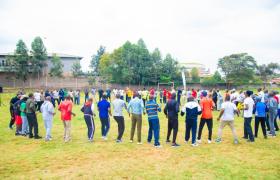
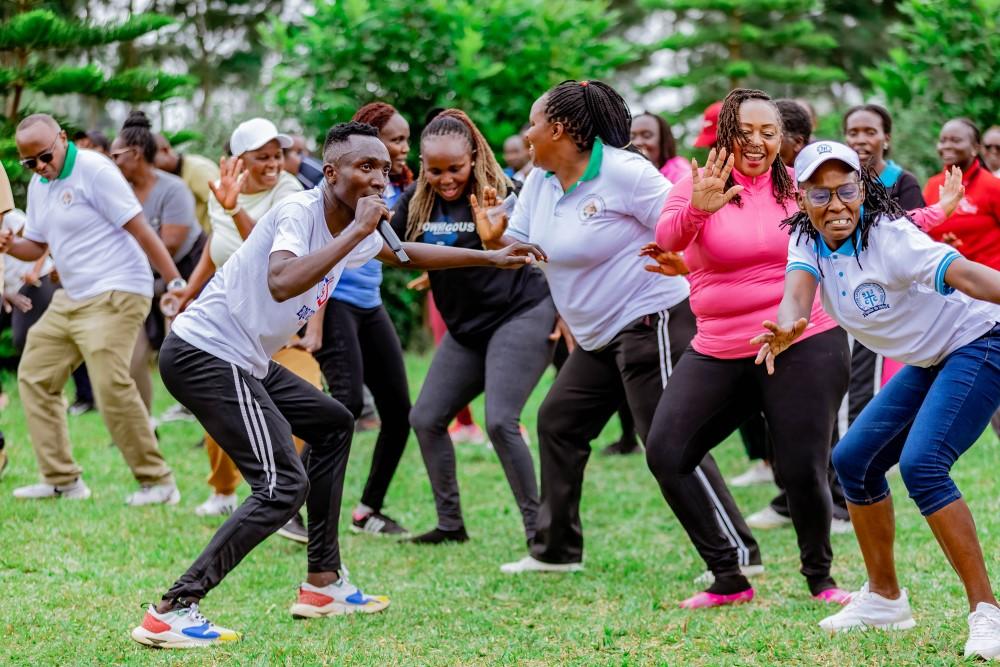
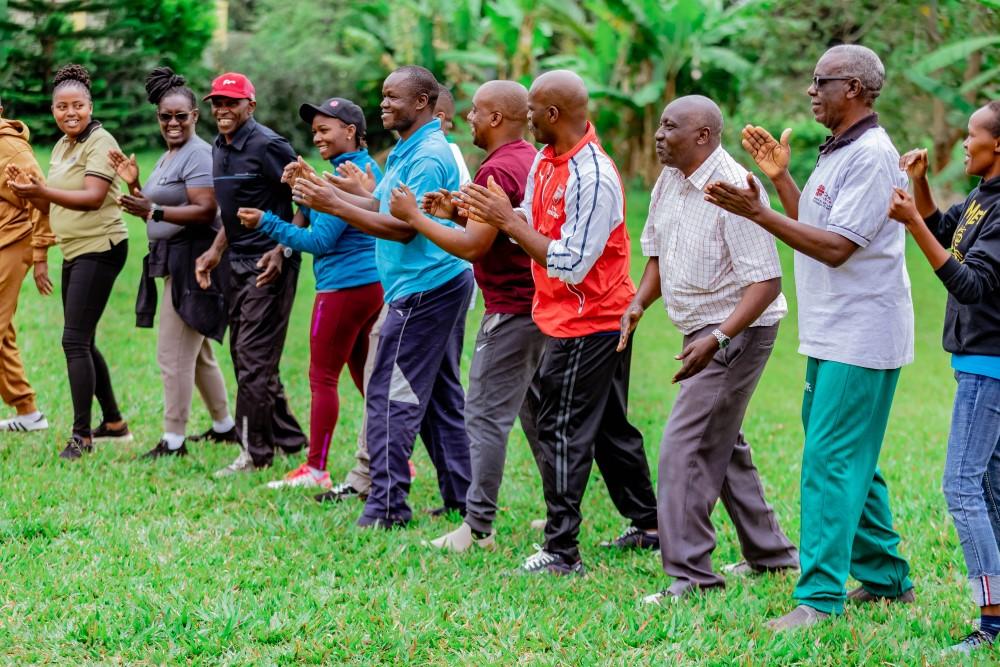
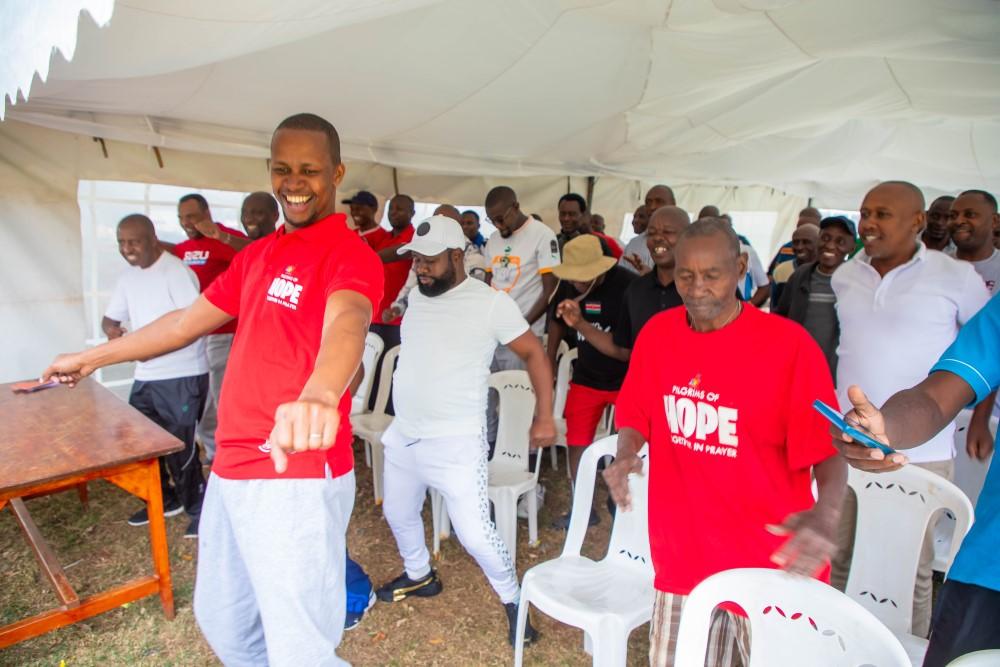
Experiential team building is gaining popularity in the corporate world as one of the proven ways to improve workplace performance.
In today’s rapidly evolving business environment, competitive salaries and traditional benefits are no longer enough to attract and retain top talent.
In today’s competitive job market, attracting top talent is just the beginning—keeping them is the real challenge.