

Kasarani, Nairobi, Kenya
+254 704 831732
+254 704 831732
info@alvidafrica.co.ke
alvidafrica@gmail.com












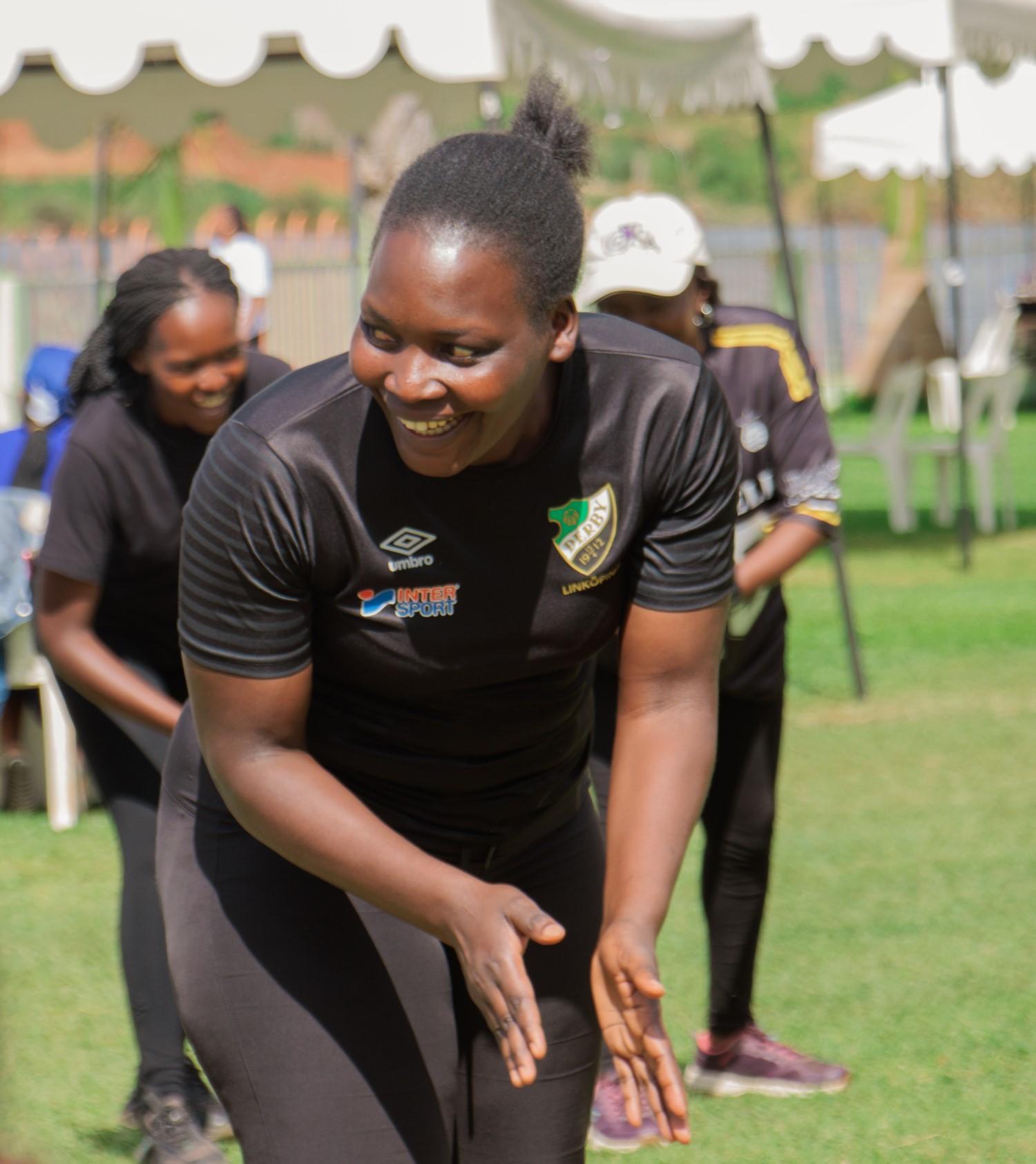
 by Alvid Africa
For many years, sales was viewed as persuasion.
The best salesperson was often considered the loudest, most convincing, or most aggressive person in the room. Success was measured by how quickly deals were closed and how effectively objections were overcome.
But modern customers have changed.
Today’s customers are more informed, more cautious, and more aware of manipulative sales tactics than ever before. They no longer want to feel pressured into buying products or services they do not fully understand. Instead, they are searching for businesses and professionals who understand their challenges and can provide meaningful solutions.
This is why the best sales teams today do not focus on selling. They focus on solving problems.
Customers buy when they trust the person speaking to them.
Trust is created when sales teams:
The strongest sales conversations no longer sound like scripted pitches. They sound like collaborative problem-solving sessions.
A customer wants to feel understood before they feel sold to.
This shift has changed the role of sales teams completely. Sales professionals are now expected to act more like consultants, advisors, and relationship builders rather than transactional sellers.
When organizations face declining sales performance, they often assume the issue is:
But many sales challenges actually begin internally.
Poor communication, low confidence, weak collaboration, and lack of customer understanding often affect sales performance more than companies realize.
A disconnected sales team creates inconsistent customer experiences. Customers notice when communication is unclear, when teams lack confidence, or when employees seem disconnected from the company’s mission.
Sales performance is deeply connected to internal culture.
This is why training and development are essential.
Sales teams need more than product knowledge.
They need training that strengthens:
Traditional sales training often focuses heavily on scripts and techniques while ignoring the human side of communication.
But customers do not connect with memorized scripts. They connect with authenticity, empathy, and clarity.
Experiential learning has become increasingly effective because it allows teams to practice communication, teamwork, and customer interaction in realistic environments. Instead of simply learning theories, employees experience situations that improve confidence, accountability, and leadership behavior.
This type of training creates lasting behavior change because people remember experiences more than presentations.
The future of sales belongs to organizations that prioritize relationships over pressure.
Customers are more likely to remain loyal to companies that:
This requires organizations to build customer-focused cultures internally first.
Leadership plays a major role in this process. When leaders model communication, accountability, collaboration, and empathy, those behaviors naturally spread through sales teams and eventually reach customers.
The strongest sales organizations are not simply chasing targets. They are building trust-based relationships that create long-term growth.
The best sales teams no longer focus only on closing deals. They focus on understanding people, solving problems, and creating value.
Organizations that invest in communication, experiential learning, leadership development, and team alignment create sales cultures that customers trust.
Because modern sales is not about pressure.
It is about connection, clarity, and meaningful solutions.
And the teams that understand this are the ones that consistently outperform the competition.