

Kasarani, Nairobi, Kenya
+254 704 831732
+254 704 831732
info@alvidafrica.co.ke
alvidafrica@gmail.com

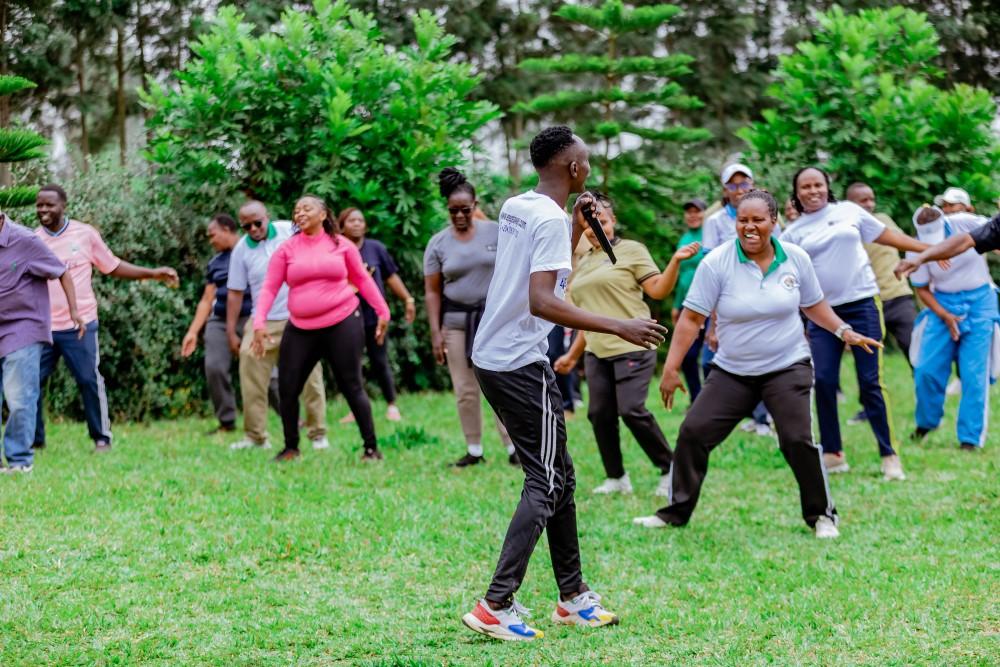

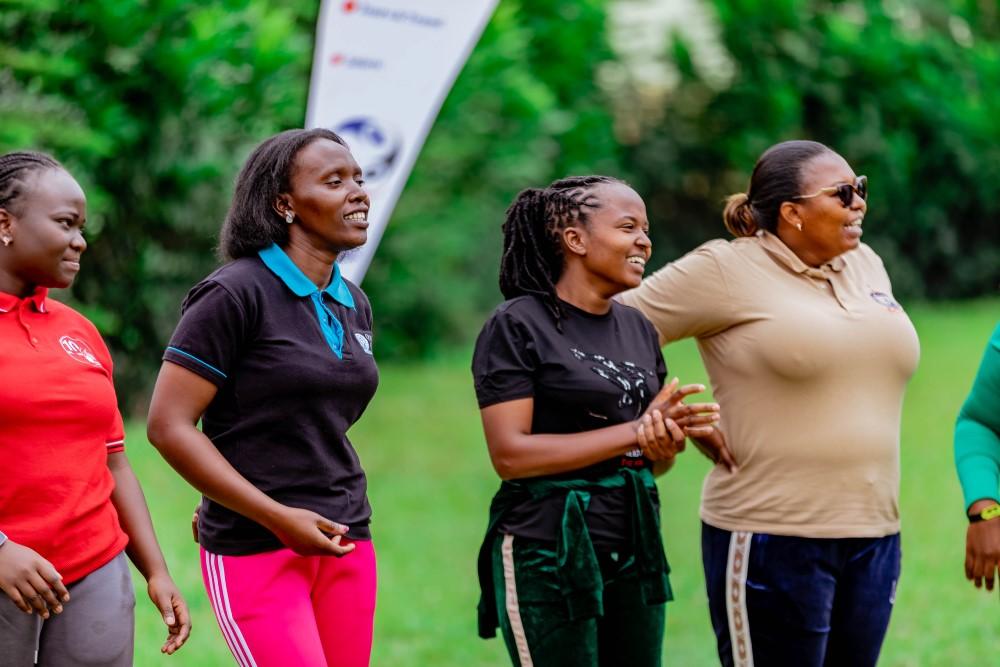
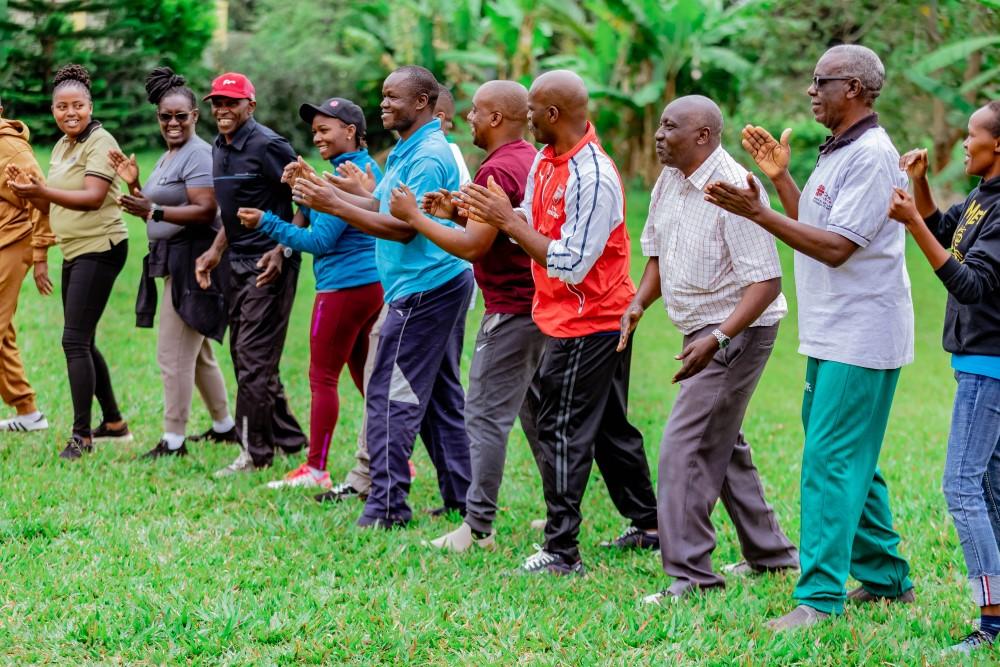



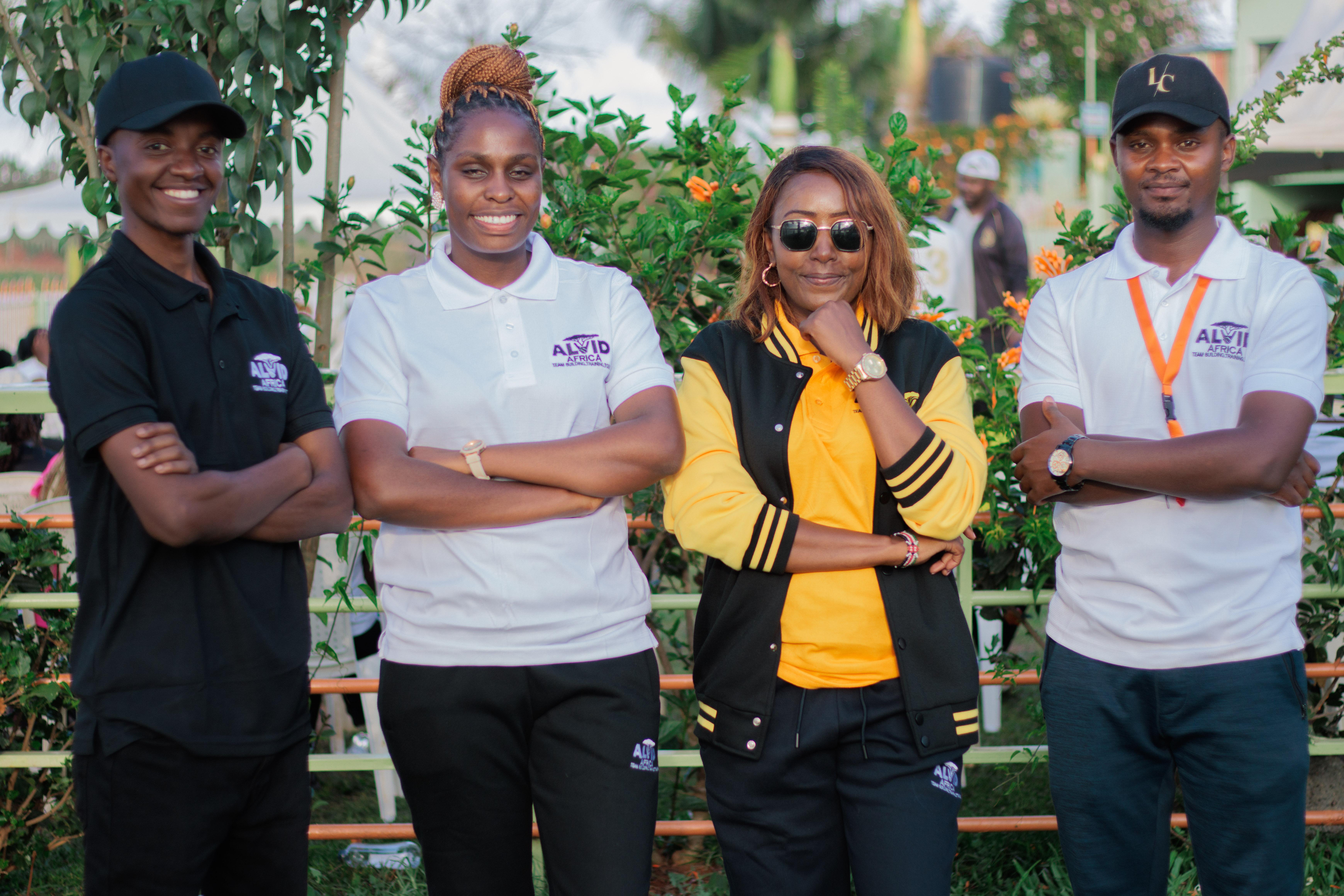
 by Alvid Africa
In today's fast-changing business environment, one truth remains constant: organizations that stop learning eventually stop growing.
Markets evolve. Customer expectations shift. Technology advances. Companies that succeed are not always the biggest or the oldest they are often the ones that learn, adapt, and improve faster than everyone else.
Yet many organizations fall into the trap of routine. Employees become focused on daily tasks, deadlines, and operational demands, leaving little room for reflection, development, or innovation. Over time, this creates stagnation. Teams become comfortable with old ways of working, creativity declines, and performance plateaus.
This is why continuous learning is no longer a luxury it is a strategic necessity.
Change is inevitable. Organizations that invest in learning equip their people with the skills and mindset needed to respond to challenges, market shifts, and new opportunities. Adaptable teams are more resilient and better prepared for uncertainty.
Learning exposes employees to new ideas, perspectives, and problem-solving approaches. When people are encouraged to explore, question, and experiment, innovation becomes part of the organizational culture rather than a rare occurrence.
Knowledge builds confidence. Employees who continuously develop their skills are more likely to take initiative, contribute ideas, and engage in meaningful decision-making. Confident teams perform better because they trust their abilities and feel empowered to act.
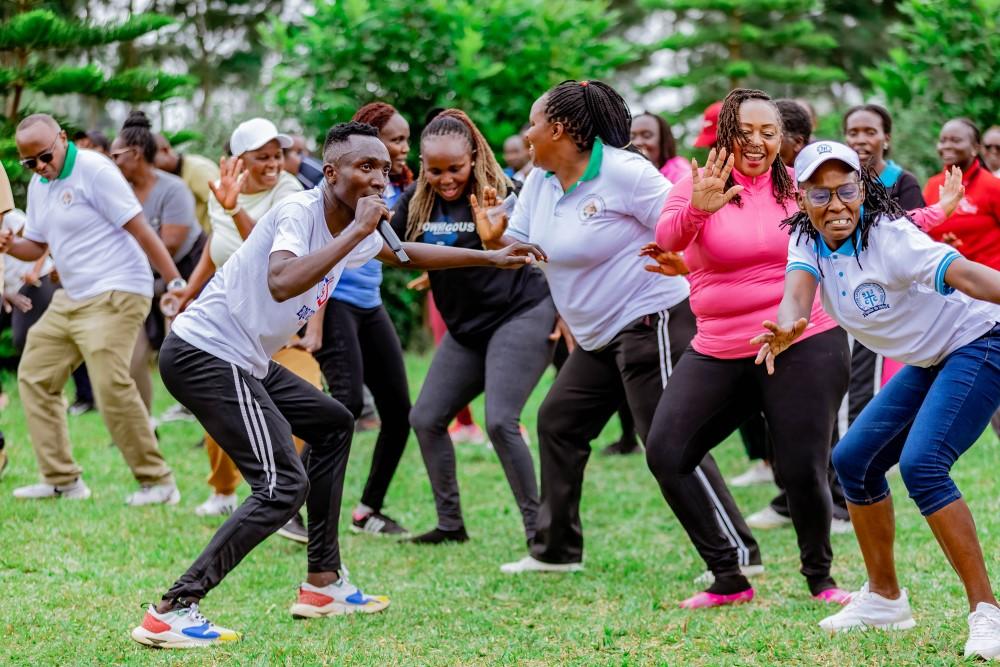
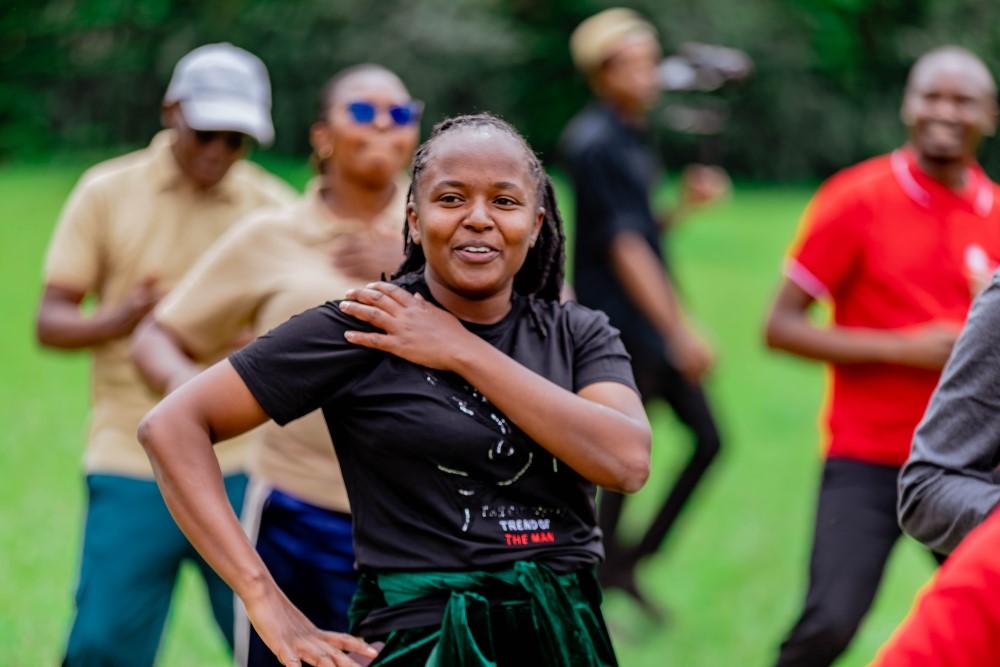
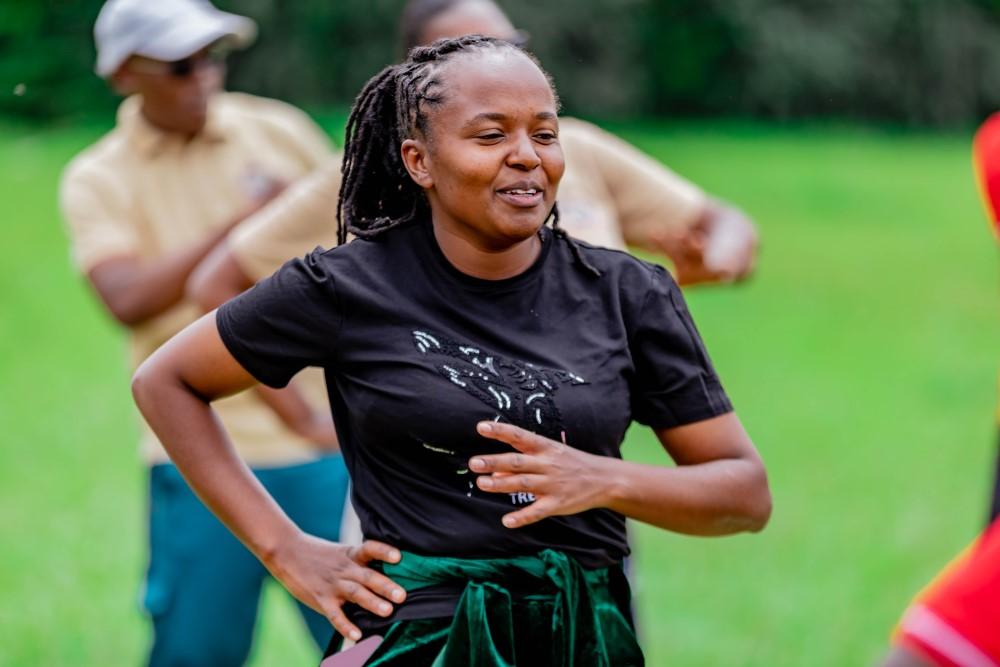
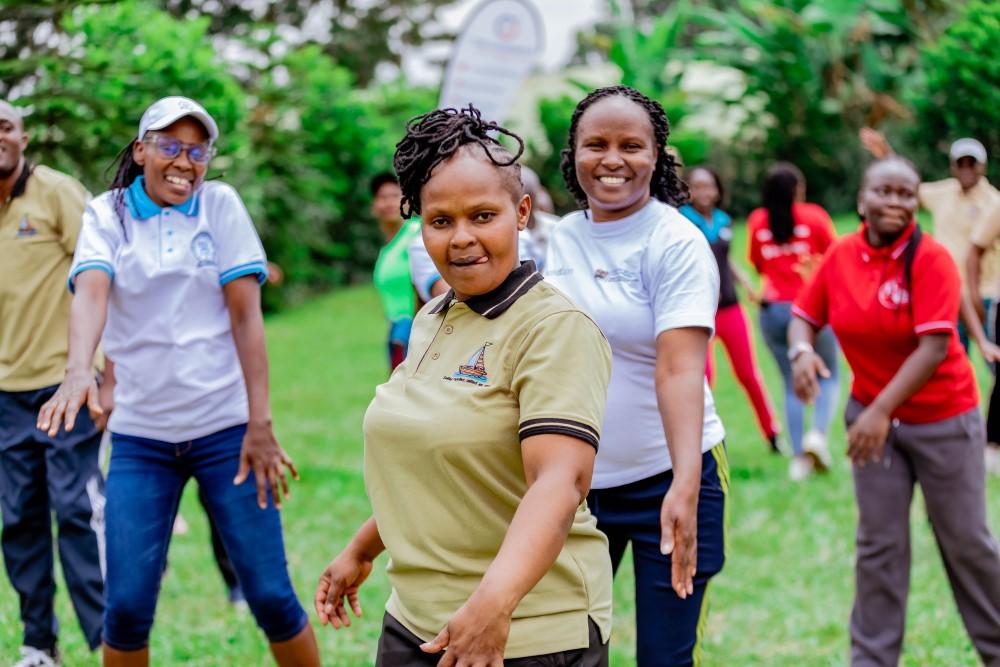
Learning experiences create opportunities for collaboration. Whether through workshops, training sessions, or team-building activities, employees learn how to communicate effectively, solve problems together, and leverage each other's strengths.
Great leaders are lifelong learners. Organizations that prioritize learning create a pipeline of future leaders who are equipped to inspire, guide, and support their teams through growth and change.
One of the most powerful ways to encourage learning is through experiential workshops.
Unlike traditional training sessions that focus primarily on theory, experiential learning allows participants to engage, reflect, and apply lessons in real-time. Through activities, simulations, challenges, and collaborative exercises, employees experience learning rather than simply hearing about it.
The result is often a significant mindset shift.
A routine task becomes an opportunity for innovation. A communication challenge becomes a lesson in collaboration. A leadership exercise becomes a moment of self-discovery.
When people learn through experience, the lessons stay with them longer and influence how they behave back in the workplace.
Creating a learning culture goes beyond occasional training events. It requires leaders to actively encourage curiosity, growth, and continuous improvement.
Organizations can foster learning by:
When learning becomes part of everyday work, growth becomes sustainable.
The highest-performing organizations understand that their greatest asset is their people. By continuously developing employees, they strengthen their culture, improve performance, and position themselves for long-term success.
Learning cultures consistently outperform stagnant cultures because they are prepared to evolve, innovate, and lead.
The question is simple:
Is your organization merely working, or is it learning?
At ALVID Africa, we help organizations create impactful learning experiences that drive mindset shifts, strengthen teams, and unlock sustainable growth. Because when people grow, organizations grow too.